
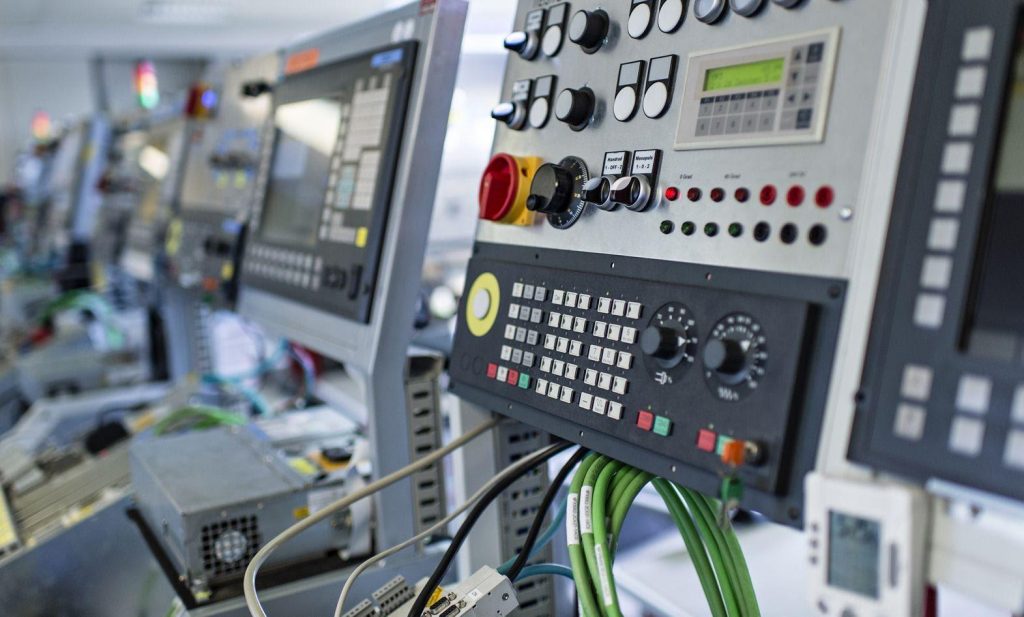
Industrial ecosystems have undergone a profound metamorphosis over the past few decades. Manual operations, once the backbone of manufacturing, have gradually yielded to highly sophisticated automation frameworks. This transformation is not merely technological; it is paradigmatic.
Chennai has emerged as a formidable nucleus for industrial innovation. Its robust infrastructure, skilled workforce, and thriving manufacturing base make it an ideal environment for process control automation. Modern plants in this region are increasingly embracing automated systems to remain competitive in a globalized economy.
1. Core Principles of Process Control Automation
At the heart of automation lies the concept of control. Feedback systems continuously monitor output variables and adjust inputs accordingly. This ensures stability and precision. Feedforward systems, in contrast, anticipate disturbances and act proactively. Both mechanisms are indispensable in maintaining operational equilibrium.
Sensors and actuators form the sensory and muscular systems of automated plants. Sensors gather real-time data, often with astonishing granularity. Actuators execute commands, translating digital signals into physical actions. Together, they create a seamless loop of observation and response.
2. Key Technologies Powering Automation in Chennai
Programmable Logic Controllers, Supervisory Control and Data Acquisition systems, and Distributed Control Systems constitute the technological triad of modern automation. These systems orchestrate complex industrial processes with remarkable accuracy.
The integration of the Internet of Things and artificial intelligence introduces a new dimension. Machines are no longer passive entities. They learn, adapt, and optimize. Data flows continuously, enabling predictive insights and autonomous decision-making. This convergence is redefining operational paradigms across Chennai’s industrial landscape.
3. Benefits for Modern Manufacturing Plants
Efficiency is no longer optional. It is imperative. Process control automation enables plants to operate at optimal capacity with minimal wastage. Production cycles become shorter. Output quality improves significantly.
Cost reduction is another compelling advantage. Automated systems minimize human error and reduce downtime. Energy consumption becomes more controlled and predictable. Over time, these efficiencies translate into substantial financial gains.
4. Industry Applications in Chennai
Chennai’s automotive sector has been a frontrunner in adopting automation. Assembly lines are increasingly governed by intelligent systems that ensure precision and speed. Heavy engineering units also leverage automation to handle intricate and large-scale operations.
In the chemical and pharmaceutical industries, accuracy is paramount. Even minor deviations can have significant consequences. Automation ensures consistent quality and adherence to stringent regulatory standards. It also enhances safety by reducing human exposure to hazardous environments.
5. Implementation Strategies for Automation
Successful implementation begins with a meticulous assessment of existing processes. Identifying bottlenecks and inefficiencies is crucial. System design must be tailored to specific operational requirements. A generic approach seldom yields optimal results.
Deployment requires careful calibration. Systems must be tested rigorously before full-scale integration. Optimization is an ongoing process. Continuous monitoring and refinement ensure that the system evolves in tandem with operational demands.
6. Challenges and Solutions
Integration often presents significant challenges. Legacy systems may not be compatible with modern automation technologies. This necessitates either upgrades or the development of intermediary solutions.
Workforce adaptation is another critical factor. Employees must be trained to interact with automated systems effectively. Resistance to change can impede progress. However, comprehensive training programs and clear communication can facilitate a smoother transition.
7. Future Trends in Process Control Automation, Chennai
The concept of smart factories is rapidly gaining traction. These facilities are characterized by interconnected systems that communicate seamlessly. Decision-making becomes decentralized and highly responsive.
Predictive maintenance is another transformative trend. Instead of reacting to failures, systems anticipate them. Advanced analytics identify potential issues before they escalate. This not only reduces downtime but also extends the lifespan of equipment.
8. Conclusion
Process control automation in Chennai is not merely a technological upgrade. It is a strategic imperative. Modern plants that embrace automation are better positioned to navigate the complexities of contemporary manufacturing.
The trajectory is clear. Automation will continue to evolve, becoming more intelligent and more integrated. For industries in Chennai, the adoption of process control automation is a decisive step toward sustained growth and global competitiveness.